Rest Easy Knowing — Conversations on Death, Dying & End-of-Life
Listen on:
About the podcast
Rest Easy Knowing was born from a simple observation: most of us never talk about death, and many of us are unprepared when it arrives.
This podcast helps Australians learn about and discuss death and dying in a practical, helpful, and respectful way. By fostering open conversations and sharing practical information, we aim to ensure that people have a greater understanding of what to expect when it comes to end-of-life and consider how they might prepare for the inevitable.
We're recorded on Boonwurrung Country in Victoria, Australia, and we make this podcast for anyone who's ever wanted to ask a question about end-of-life and didn't know who to ask.
Browse
Find what you are looking for
View popular topics
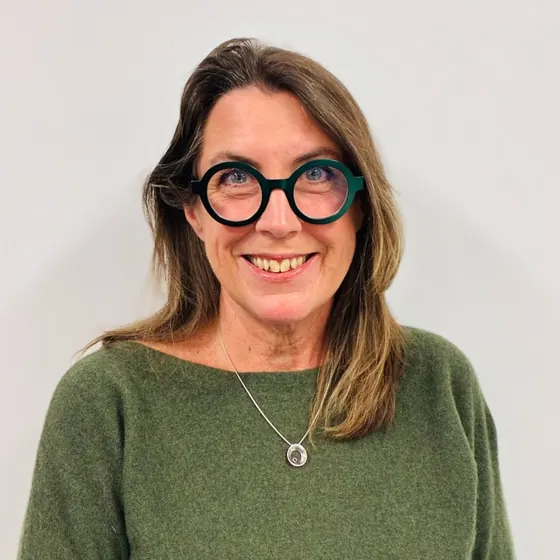
Meet the host
Fiona Healy
Fiona has spent her career working in impactful community initiatives — fostering meaningful relationships and driving positive societal change.
Her work reflects a dedication to empowering others and achieving tangible results within the community sector.
She created Rest Easy Knowing because she believes the conversations we avoid about death are often the ones that matter most.
Contact
Got a guest in mind, a question, or a story you'd like to share? We'd love to hear from you.
End of Life Support: the Role of the Death Doula
Supporting Families Through Dying, Death and Grief with Death Doula, Candace Ohanessian What does a death doula actually do - and could having one transform the experience of dying for both the person at the end of life and those who love them? In this episode of Rest Easy Knowing, Fiona speaks with Melbourne-based end-of-life doula, funeral celebrant and registered funeral provider Candace Ohanessian about the practical, emotional and spiritual support a death doula provides before, du...
Fiona: 00:04
Welcome to Rest Easy Knowing. This is a series about death and dying, and in this episode, we may touch on some detailed aspects of that experience. If this is a sensitive topic for you, listen with care or skip for now. Listener discretion is advised. Today on Rest Easy Knowing, we're turning our attention to the role of the death dueler and what end-of-life support can look like beyond the clinical setting. I'm joined by Candace Owenessian, an end-of-life dueler, funeral celebrant, and registered funeral provider based here in Melbourne. Candace has spent more than 20 years supporting people through major life transitions from family crises and recovery through to dying, death and grief. Through her business, Journeys, Candace works closely with individuals and families to help them think ahead, have important conversations and plan for the kind of death they want. She also supports families through the dying process and beyond, offering practical guidance, emotional support, and personalized funeral and after-death care. Candace, welcome to Rest Easy Knowing. Thank you.
Candace: 01:17
Gee, you make me sound good.
Fiona: 01:20
Wow, what a life experience you must have had. So many different experiences, and it must be incredibly fulfilling for you.
Candace: 01:29
It is. I often get asked if I find this work sad or hard or depressing, and it's actually the opposite. Working with people at that very tender, delicate moment in their lives and helping to bring beauty to it. It's the best thing that I could possibly do with my time. I absolutely love it.
Fiona: 01:44
What a valuable thing to bring to others. That's amazing. So for people who might be hearing about the term death door for the first time, what do you do?
Candace: 01:55
I get asked that question a lot too. The best way for me to explain it would probably be to talk you through my ideal client. Now, this is not the client I always get, but I really love it when people reach out to me when they're still well. They're thinking about end of life, thinking about what would be comfortable for their families, conversations that need to be had. So we get started in the very early days, helping them get their advanced care directive in place, thinking through what they want for their end of life, the deathbed vigil, who they'd want to be there, who they wouldn't want to be there, what kind of after death body care they're comfortable with, funeral plans, internment, and then ongoing support for the family. So it's really an end-to-end, a consistent person carrying them through each stage of the end of life. What often happens, however, is families are in disarray, somebody's dying very close to death, and everybody's confused and upset and everything's all over the place, and the doula comes in at the last minute to try to calm things down and create a beautiful space, a beautiful container to help this become a peaceful and beautiful, non-traumatic end of life for the person they care about. So we serve end to end, but the earlier you can get involved with a doula, the better. And I also am a huge advocate for families. Families have a family doctor. Why not have a family doula? The person that you know you can call when something happens. They're a phone call away, they know the family, they know you, they know your preferences, and they can come in and be a support when you really need it.
Fiona: 03:19
So from what you've said, most people would contact you quite close to the end. Is that correct? Or do you happen to do you come across people that are really planning well in advance?
Candace: 03:31
I do, and I love that. And it does happen anyway. It can happen anyway. I get called by the family. Sometimes the dying person is not even the client. The person doesn't want to talk about anything, so they call the dual because they have to make decisions and they have to know what they're dealing with. So I never even meet the person who's dying. But more often than not, they know the situation of the person. The person's dying and they need to just need help and support during that time.
Fiona: 03:55
So talk to me more about the gap that you're feeling.
Candace: 03:59
Yes, I feel a very important gap. I was talking to somebody about this this morning, actually. She went through a process. Her husband had motor neuron disease, and she had specialists that would help her with that, help them with that. She had palliative care coming in, she had social workers coming in, she had friends and family coming in to help, she had occupational therapists, all kinds of people coming in, but there was no consistent person organizing it all. So Adula is the one person where you can dump everything into the single basket and they can help you sort it out. And as I said, offer a container, offer structure, offer sanity when often things can be overwhelming. So it's there for practical and for spiritual and emotional support.
Fiona: 04:41
So would that include things like kind of scheduling different family members to come in at different times?
Candace: 04:48
Absolutely. One of the I I like to organize by a spreadsheet. You've got a calendar. I know who's coming in on every single day, what medical people are coming in, what support staff are coming in, who's bringing the meals, who's walking the dog, all of the things that need who's paying the bills, all of the things that family can forget about in their caring for their person, in their overwhelm. Yes, spreadsheets are wonderful, calendars are wonderful, practical, get things done. Yeah, absolutely.
Fiona: 05:14
And what kind of response do you get from family members when you perform that role?
Candace: 05:19
Well, it's in collaboration. So I'll come and talk to the family about what's going on, what their needs are, the things that they're struggling with, and I'll make suggestions and offer this. And usually it's like, oh yes, please. Somebody to just relieve them of the burden. Because they are they have so much they're dealing with already by the person that they love as dying and seeing what that's like and going through that, trying to be there for the person and for each other. Having someone take care of those kind of day-to-day arrangements can be quite wonderful.
Fiona: 05:47
I imagine that's the case, especially if somebody hasn't been through the process before, they don't know what's coming, they don't know what to expect. But to have a safe pair of hands that kind of understands the different elements and and where they come in and where they leave would be so reassuring.
Candace: 06:06
Absolutely. And that also you bring up a really good point about when somebody's dying, being able to ex to normalize it. People get very afraid of what's happening during the dying process. They don't want to do anything wrong. And the palliative care, I am a big fan of palliative care. I'm a volunteer with a palliative care organization. And I've seen firsthand how important what they do is. But as a person is approaching death, especially close to the end, palliative care can be there once or twice a day, really important, half an hour, checking medicine, checking comfort levels, making sure that the family is instructed in mouth care and rolling and preventing bed sores and all that, and it's really, really important. And then they go and the family's there with their person for the remaining 23 hours of the day without support. So the the doula can come in and help fill that role and support during that time when there really isn't anybody else in the family who's unprepared for what's happening, would otherwise have been left to their own devices.
Fiona: 07:00
And what kind of situations do you commonly see popping up during those periods of time when palliative care staff aren't there?
Candace: 07:07
I'll give you one example. I was tending to a woman helping the family vigil, the palliative care person had come and gone, and I'd been there probably for a couple of hours supporting the family, and the daughter-in-law grabbed me by the arm and pulled me into the other room in tears, just said, There's nobody gonna be there to meet her on the other side. This was a real existential angst for her, a real dread that the person that she loved, because she was an orphan, she didn't know who her family was. She had no ancestors that she knew of. So she thought that when her person died, nobody was gonna be there, and it was breaking her heart. So I grabbed her, held her in my arms, and said, Honey, her people know who she is. Her people are gonna be there for her. She has ancestors, she has people who love her. They may not have been with her on this plane, but they're gonna be there waiting for her with bells on when she gets there. And the relief on her face, it was a beautiful thing to see, and she knew it. Yeah. That's the thing. All I had to say was that little bit, and she went, Of course. But if I hadn't been there, if there hadn't been a doula there, she would have been sitting with this and stewing over it now brokenhearted as her loved one got closer and closer to death.
Fiona: 08:11
And probably taken it further, like dwelt on it even further after that. Absolutely. Have you encountered any situations where perhaps the the terminology is a little bit kind of difficult to stomach?
Candace: 08:27
Yes. I had a situation where somebody was actively dying. She hadn't been eating because you don't eat when you're approaching death, and this was really hard for the family. The daughter came to me and was just really sad and and and worried because she felt her mother was starving to death. And I had to reassure her, she's not starving to death. She's dying. The body does not need food. The body can't handle food. It would make her ill and uncomfortable if she took food. The same with drinking. If you try to force somebody to drink at the end of life, there's nowhere for the water the water to go and it's gonna end up edema in the legs, really uncomfortable, swelling. So the dying person needs to be their needs have to be respected. If they tell you that they're not hungry, don't try to make them eat. That's gonna be the worst thing to do. They are listening to what their body is telling them. You also need to listen to what their body is telling them.
Fiona: 09:16
And how do families respond to those moments when sometimes when people are dying, they're reaching out to something that we can't see or even speaking to somebody we can't see? How do you respond to those moments where family members are kind of perplexed and we can't know what they're seeing and it's very real to them.
Candace: 09:37
And that really bothers me when medical staff say, oh no, they're hallucinating. Because you don't know that. If there is a fundamental reality that's beyond what we're living on this current iteration, it makes sense that it would seem for them more fundamental and more real. So this could be very real, more real than us sitting around the deathbed looking at them and wondering what's going on. So I always will honor those experiences. It's the absolute right thing to do. Ask questions about it. If their dead mother is in the room, oh tell Nan hi for me. You know, make sure that that's because the worst thing you can do is shut that down because then the person is experiencing this thing and then being told it's not real, so then they're getting confused, and it can be really damaging. So em embrace it, invite it in. It's wonderful.
Fiona: 10:22
Tell me about a special experience that you've witnessed.
Candace: 10:26
I had a most wonderful experience. I was tending to a woman, the whole family was around, and it was really fun. We're sharing stories, looking at pictures, and they were making comments about how much she liked her Sauvignon Blanc at the end of the day. And as we were doing the mouth care, I said, Maybe we should do mouth care with Sauvignon Blanc. And the whole room lit up, and their child, the son went away, and he went and got her the little glass, and he was, can we do that? And he was giggling the whole time, laughing and crying, and came back and I said, We don't know if it's gonna work. She may like it, she may not like it. So we took the mouth swab and put it in her mouth, and she just went and sucked that thing dry. It was the most beautiful, lovely experience. Giving permission to do that, and then the response, it was a moment of light and laughter and knowing their mother. It was gorgeous.
Fiona: 11:15
So beautiful, so beautiful. Have you seen people make kind of final requests that they simple things like they stop smoking years ago and suddenly want a cigarette, or they ask for a particular type of wine or whiskey?
Candace: 11:29
A woman, a woman I know, this is actually a family member. I was, she was not a client of mine. She was dying of pancreatic cancer and she wasn't hungry, so but she wasn't that close to death, so she still could have eaten. And so the nurse said to her, you know, it's not gonna make any difference whether you eat or don't eat, so you might as well. She said, Fine, peppermint ice cream. And that's all she ate until the day she died. Peppermint ice cream.
Fiona: 11:53
Good honor.
Fiona: 11:54
That's hilarious. So, what do you do if somebody doesn't want a funeral or just wants happiness and to remember the celebratory kind of aspects of somebody's existence?
Candace: 12:06
I think it's actually really beautiful that people don't want the people they love to be sad. But what usually happens when somebody doesn't want a funeral is they're denying a really powerful rite of passage for the people that are left behind. Families need to come together to celebrate the person, to show that they love them, but also to be sad. And it's also really important to know that it's not the funeral that's making you sad. It's the death that's making you sad. It's the loss of the person. And if they deny that, if you have a celebration of life that doesn't make room for the sadness, people could feel like they're doing it wrong. They could feel like they're not comfortable, they're not allowed to express the very real emotions that are there. And it could make their grieving a little bit more complicated, a little bit more difficult in the long run.
Fiona: 12:52
And sort of protract it again, I guess, as well. Yeah. It has that danger, yeah. Are there any misconceptions around the process of dying that you would like to clear up for anybody that's listening?
Candace: 13:05
Yeah, there there are some misconceptions that dying looks a certain way or should be a certain way. People bring their own expectations into it because of what they've been through. There's misconceptions that if you are there, if you have children in the room that they're going to be traumatized, or misconceptions about saying the wrong thing or doing the wrong thing is going to make things worse. There really isn't anything that you could do or say to make things worse. Things aren't great, things are hard and difficult, and death is sad, and there's no way to get around that. So allowing for that, being gentle with yourself, being gentle with other people, that's really a gift. So, what's a common misconception after someone dies? One of the biggest misconceptions is that you have to have a funeral director. Families can actually do everything on their own. You don't need anybody else involved. There are some really practical things like the paperwork and body transportation that's helpful to have somebody involved. But what happens often is somebody will, by default, because they're in a state of grief and they're overwhelmed and they didn't don't know what to do, they'll often just call one of the big guys that maybe their aunt used or somebody else had a nice funeral, and they end up spending $20,000 or $30,000 that they don't have to just because they didn't plan ahead and they didn't know what their rights and their capabilities were. So you can talk to Adula about this. Most funeral homes will be very honest about what you can and can't do for yourself. So getting empowered and knowing what your options are can be really important.
Fiona: 14:30
Are there any particular laws or rules that people should be aware of if they choose to do this on their own?
Candace: 14:37
Yes, you have to transport the body legally. You have to register with births, deaths, and marriages, and you can't inter anywhere that's illegal. So you have to have all the permissions if you're going to have public land. The body can't be buried without certain paperwork, cremation can't occur without certain paperwork. So there are some things that professionals can really help with if you're not completely OFE with that. But yeah, just knowing you don't have to do the traditional and you can have your own beautiful celebration. Family-led funeral is really powerful.
Fiona: 15:06
So, what are the biggest misconceptions you come across about death doors and the work that you do?
Candace: 15:12
Well, I do get a lot of people think it is spiritual and emotional care and maybe somebody a little bit woo-woo. They don't realize that it's actually quite a practical, down-to-earth hands-on role.
Fiona: 15:23
Lots of spreadsheets.
Candace: 15:24
Lots of spreadsheets. Yay! Another thing is that it's important that people know that we're not medical. I don't have a medical background. Doulas that do come into this from a medical and nursing background in particular have to be very clear that we're acting as a doula, not as a nurse, because we're not insured for that, and we don't want to overstep the bounds of the doctor-patient relationship. And I get really involved with somebody who doesn't understand their meds, I'll get online and research what everything is for and help them understand what it is they're taking. But if they're asking me what they should take when, I have to really retreat. That's not my area. Let's call your doctor. And often the downside to being there, being the only one on site when there's no palliative care nurse or anything is that often they will turn to me for medical decisions. And I have to make it very clear this is not my role here. That that I think probably is the most important thing for people to understand.
Fiona: 16:14
And I think as well when you go to that pre-planning conversation we were having earlier, if a family is aware of a person's wants and needs around certain medical matters, that makes it so much easier for them to step up and say, This is what my person needed or wanted or told me that they're interested in. So you don't have to get involved in that at that point, do you?
Candace: 16:36
Can I make a plug for advanced care directives?
Fiona: 16:40
Tell me about those. How do you get one? And is it a difficult process? What's involved?
Candace: 16:45
It's a thoughtful process, but not a difficult one. An advanced care directive is essentially a legally binding document that tells somebody, if you are unable to speak for yourself, what your wishes are. And there's two parts to it. There's a values directive and an instructional directive. The instructional directive is these are the medical procedures that I agree to or that I do not agree to. And that could be CPR, it could be dialysis, it could be tube feeding or intubation, could be catheters, anything that you can think of that you want or don't want at end of life. That's the instructional directive. The values directive, because not every situation can be covered in the instructional part, the value is directive is a guide for people when something's not covered in the instructional directive. For example, I value time with my dog, I value spending time in my garden. If I'm unable to toilet myself, life would not be worth living. If I'm unable to speak or communicate with my family, then life would not be worth living. Then your medical treatment decision maker will have a guide as to when they're making decisions for your care that don't follow under the instructions. They'll know what you value. And one example of where the medical treatment decision maker would go on the values directive was there was a woman who had breast cancer and she didn't want any intervention that would prolong her life. But she also, in her values directive, said she didn't want to be in incredible pain, so she wanted to be palliated. There was a her tumor that was growing in the side of her arm, the side of her chest that was impinging on her arm, and it was becoming quite painful. The medical treatment decision maker had to make a decision with the medical care team of whether or not just to remove the tumor. And the decision was made to take it out because it wouldn't prolong her life much, but it would relieve the suffering. So that's why it's really important to have your medical treatment decision maker in place, your advanced care directive, and do both the values and the instructional directive. I also want to say a word about medical treatment decision makers because often people will by default go to their spouse or to their eldest child or something, somebody that they know and trust, but they might not actually be the right person because they might have to be making hard decisions that they might not believe in or they may just want to keep you around past when you would want to be around. So your decision maker needs to be somebody that you know that will do what you want, not necessarily what they would want for themselves or for you.
Fiona: 19:00
Thank you for that. And with an advanced care directive, is it a legal document or does it get signed by a doctor? How does that work?
Candace: 19:07
Thank you for asking. Yes, it is a legally binding document. It becomes legally binding when it is signed by a medical person and a witness and you. They have to watch you sign and then sign. And a lot of that is has to do with making sure that you're of sound mind, that you're able to make these decisions for yourself. Once it is signed, it is legally binding. But it does no good to have this legally binding document if nobody can find it. So you have to make sure to keep a copy on your refrigerator, keep it with your meds, give it to your medical treatment decision maker, to your doctor, to your neighbor, to the dog, anybody who could have any influence on this, make sure that that document can be found. That is the guiding light for your end-of-life care when you're unable to speak for yourself.
Fiona: 19:51
Are there times when people might have an advanced care directive and give it to certain medical professionals and then somehow they're not followed or they're lost or they're not adhered to?
Candace: 20:03
It is legally binding, and doctors generally really love it when someone has one because they are guided by that and they're not going to have to take on the responsibility for themselves and risk getting in trouble. So I have not heard of any time where a doctor knows about an advanced care directive and doesn't follow it without really, really good, compelling reasons that would stand up in a court of law, so to speak. That's probably the safest way. But yes, that's a very good point. You need to make sure that everybody has a copy and that it gets taken with you. And doctors will usually ask if there's one in place. So yeah, it it's something that's really important, really valuable.
Fiona: 20:57
So tell me about how you support people through their preferred death. What does that actually mean?
Candace: 21:04
I'm really glad you didn't say good death. Because a good death implies that there could be such a thing as a bad death. And your death is your death. And there's only so much we can do about that. You're going to die the way that you die. But if plans are already in place and we know what you want, we can work to that. When we don't have plans in place, as a doula, I'll rely heavily a lot on the people that know you best. They'll know what your preferences are generally. We can always do something. I have been called to an emergency room where somebody had collapsed at home and taken to an emergency room and they were dying there. And the family, of course, was in disarray. But there were ways for us to make that little side room off the emergency room ward beautiful. We set it up with aromas and sounds and everything to really give comfort to the person as they were dying. So that was probably not the death that he would have envisioned as his ideal death, but there's always something that can be done. You wouldn't put the best plans in place for the death that you prefer the music that you want, the people that you want to be there, sounds. Smells, everything that you can, and then we'll see what happens. We'll do everything that we can within the parameters that we're given.
Fiona: 22:07
And do you often get asked to help make a decision?
Candace: 22:11
If they ask me once to help make a decision, they'll know very well that they shouldn't ask me again. How do you respond? I just say these are not my decisions to make. Why don't we talk through the options? What are you thinking?
Fiona: 22:21
Yeah. So what are some of the things that families often don't realise that they need to think about?
Candace: 22:28
What happens after the death? If they die at home, what are we doing with the body? Do we want children there? Do we want to tend to the body ourselves or do we want to outsource that? Do we not want to see the body until it's laid in the casket? How involved do we want to be in the body care before death when somebody is inactive dying? Who do we want to take primary control over or charge of caring for the body of the person as they're dying? There's really practical things that have to be done, and families aren't prepared for that. They don't know the signs of dying, so that can be overwhelming. So it's a lot about who's doing what, when and where, and then what do we want to do when the person dies. I'm a really big advocate for having children involved as a person is dying and after they're dead. And I'm really a big advocate for hands-on family body care. There's something really healing about caring for this person. The way that they cared for you in life, you're caring for them as a last loving gesture. And I really love to do ceremonial washes. And when I mention this to people, they think I don't want to wash my person, the privacy, the dignity. And I'm talking about washing the hands, the feet, the face, just lovingly tending to with some nice scented water, and then maybe doing a beautiful shroud and tucking flowers around. Something to tell this person that you mattered. Even in your death, you matter to us. We love you and we want this to be beautiful for you. And it has the added advantage. When you've shrouded somebody and made them beautiful, when the funeral company comes and picks up the body and takes them into their care, they're gonna know that this is a loved person. Rather than coming and taking the body in its form as it died, this person has been cared for. And that is a beautiful thing for the funeral workers to see as well. They know that they're caring for somebody that was cared for.
Fiona: 24:10
Yeah, what a beautiful mark of respect for someone that you love. And I imagine that that process is really enhances the ability to, I don't want to say move on, but to move through what's just taken place and start your own process of your new normal.
Candace: 24:28
Yes, it's really helpful for the grieving process. But it's really interesting how often I have to try to convince a family that just to give it a try, because our culture doesn't have room for it. We see death as a medical failure. We see death as something to be avoided, to be feared. When I hear that somebody doesn't want their children to be there, it breaks my heart because what you're telling the person is that something is wrong with death. And so you're telling the child that death is unnatural, death is to be feared, death is to be avoided. Some of the most beautiful things that I see are people doing the after-death body care and children coming up and crawling on their person and holding the hands and touching their face. It's just beautiful. That child will now know, have a healthy attitude, a lack of fear of death and a respect for the process.
Fiona: 25:10
Yeah, I think there's something to be said for establishing family cultures that are open to being really present at the end of life.
Candace: 25:19
Absolutely. Yeah. Absolutely. That's a really good, a really good way to put it. Even if you didn't have any exposure to death in your past, even if you were kept from seeing your mother after she died, you can establish the next generation a culture of healthy approaches to death, death as a natural part of life. I think that's that was beautifully said.
Fiona: 25:36
Thank you. So, from your perspective, having supported so many people, how much control do they realistically have? What do you mean by control? Well, I have been thinking about different family members who probably want different things and think different thoughts about what's the best way to help this person. And you mentioned before some people might want to keep them alive and others are totally on board with what's coming. How do you handle that where people want a specific level of control and there's differing opinions?
Candace: 26:09
I really like that question. And back to please do your advanced care directive because that'll help avoid a lot of this. But I have supported a family where two of the siblings had been there with the person who was dying, her children had been there the whole time and spent a lot of time with her listening to her, knowing what she wanted. Another child had not been involved, didn't want to be involved, found the death, the dying process confronting. But then at the deathbed, this sibling swooped in and wanted to take over everything. And I think there was some guilt there, wanting to make up for time lost, wanting to prove that they loved their person. And the two that had been there all along were feeling really resentful that they knew what she wanted. They'd been there, they'd done the hard yards, and here's this other person coming in and trying to take over who hadn't been there at that late date. And a lot of what I do is navigating these family relationships. And I understood the person that there's an expression called the cousin from out of town. Wanted to come in and take over. So it's finding what's important to them. And for this person, they wanted to be able to tend to their mother the way that they should have been. And so there was a way to give this person jobs to do, let them be involved in certain decisions. And I got some buy-in from the other two who had been there. They understood the dynamic that was happening and the need that needed to be met. And so they were willing to concede a little bit of their control, even though they knew they knew better, in order to it have it not fragment. Yeah, not fragment the family at that time. So it's a delicate balance and we don't always get it right, but that is one of the things that we navigate as doulas.
Fiona: 27:43
Yeah, I imagine it's quite tricky.
Candace: 27:46
Yes, it was just about the dying person, it would be easy.
Fiona: 27:49
Can you talk us through what your role might look like in the final days or even the final hours of someone's life? What kind of support are you offering at that time?
Candace: 27:59
Yes, this is probably one of my favorite times. It has the biggest impact on the family, and I'd get to tend to the spiritual care of the family and the person who's dying, and it's really powerful. What it generally looks like, it may look like I'm not doing much on the outside. The family, they may be holding space in the vigil room, caring for people as they come in, making sure they're okay, letting them have their privacy when they need. If somebody is in the room with the person who's dying, I may sit meditating outside. But I'm always looking for somebody that's struggling. I'm looking for anything that we can do to make it more beautiful. I'm looking for tasks that need to be done if somebody needs to be fed or if the dog needs to be walked. There's always something to be, it's a very active time even when it may not look like I'm being active. There's always an awareness that has to happen. I have to be constantly aware of all of the dynamics, all of the moving parts. The person who's dying, being able to explain to the family the stages of dying, where they're at, often the family will look to me and say, How much longer? Well, I can't tell you how much longer everyone takes their own time. But what I can tell you is this is usually the part that happens a week before death. This when you start to see this things, these things happen, it could be three or four days. And then finally, when the breathing sounds like this, this means it's the final phase. So they're well prepared and they don't panic if the breathing changes, they don't panic when the person stops eating, they don't panic when the fingertips start getting cold or the face starts to look waxy. They'll already know that those are natural stages. And so when it does happen, I can just say, this is what we talked about. And then what's really beautiful is when you hear one of the children, for example, telling somebody else, oh yes, this is what's happening here, and here's what's gonna happen next. They're an expert. Yes, if they start educating each other, that's really wonderful.
Fiona: 29:43
That's great. Is there any particular thing that you have observed that helps a family grieve better or to process things better?
Candace: 29:53
Everyone's different in their grief. The after death body care is one. Stories are good. Talking to their person is really powerful. Even if you don't know what to say, just saying I love you. Presence is probably the most important. And I think one thing it is important for people to know too. When you're holding vigil for somebody who's dying, sometimes it's boring. Sometimes there's not a lot going on, and people can feel guilty for being bored in the presence of something so deeply profound. I need to let you know that's perfectly normal as well. So presence is the most important thing you can give.
Fiona: 30:27
In my own experience, I noticed a lot of black humor came out.
Candace: 30:32
Yes. Yes.
Fiona: 30:34
Things you probably wouldn't say at any other time.
Candace: 30:37
Yep. Highly appropriate. All is welcome. I'll tell a story about that. We were I was holding vigil for a woman, and she she I was with her son and a couple other people, and she had passed away quietly, and her son was there, and he nodded. And um, so we all knew that that the moment had come. And then a friend just went, and we lost it. So, yes, there's a lot of humor that can happen at the end of life.
Fiona: 31:08
For someone listening who wants to be better prepared, either for themselves or someone that they love, what are the most important things they should have in place?
Candace: 31:16
Well, having in place is the advanced care directive, of course. One of the things I would suggest, other than the practical side, this isn't something we're very comfortable doing, but thinking deeply about what you think happens after death, knowing what your spiritual beliefs are and living according to them. Having death in mind as you go about life is actually quite life-affirming. It helps you really value what is going on day to day, and it helps you not sweat the small stuff and keep things that are priorities actually priorities rather than what am I going to wear this day, or I said the wrong thing to this guy the other day. We do so much ruminating over stuff that doesn't matter. But if you're comfortable with your own beliefs about death, if you're comfortable with death, and there's a comfort that can only come by thinking about death and exploring very deeply your own beliefs and values, that really sets you up when the time comes for you to die.
Fiona: 32:08
And after doing this work for so long, what have you learned that has has anything influenced your own life, your living?
Candace: 32:16
Well, everything that I just said, I live. I think in this work, of course, I naturally think about death a lot. I'm not afraid of death. I'm actually really open and curious and a little bit excited about what happens on the other side. You know, so I don't see death as an ending, I don't see it as a a bad thing, I see it as a natural continuation. So with that in mind, I'm really, really comfortable in this work and I love what I do. And that to me is the most important and valuable gift that it's been to me.
Fiona: 32:45
So after you've left a family when someone has died, what's the sense, what's the feeling inside you when you've gone home?
Candace: 32:53
I have something that I do after every death. It's called the poa practice. And if I can, I'll do it with the family if they're open to it. It's a Buddhist tradition, but it can be adapted for any or no beliefs. And it's essentially infusing the person, bringing all of forgiveness and love and joy into their being, getting rid of any attachments, any remaining trauma or sadness, infusing them with a beautiful white light, infusing them with the presence of Jesus or Buddha or Allah, and then sending them on their way in love. And I'll do that after every death so that I'm clear for the next one. And I do that with every family so that they can feel like they're participating in the saying goodbye and the onward journey of the person they care about.
Fiona: 33:35
So having done that, do you have a sense of, you know, when people think that they've had a job well done, does that kind of satisfaction sit within you? Yeah. Yeah. Very much.
Candace: 33:46
I know how important it is because I see the impact that the work has on the families and I hear about it. They tell me about it, how powerful and meaningful it was to them. And it's not me, it's bringing out the experience in themselves. They did this. I'm there to facilitate, but it's their journey and they're the ones that made it beautiful.
Fiona: 34:03
Yeah. And if someone's thinking about engaging a death dueler, what advice would you give them about choosing the right person or or knowing that they've got the right fit?
Candace: 34:11
The phone calls I love the most are when somebody calls me up and says I'm interviewing duelists. I really recommend that you call at least three. It's a very intimate, tender role. Ask them about their training, of course, but training can only tell you so much. Have a list of questions about what their approach maybe think about how they serve people at the deathbed, what do they think about end-of-life planning? All of these questions that you can have prepared in advance. But when you interview a doula, you'll get to know her heart or his heart. You'll get to know if it's the right match for you pretty quickly. Yeah, I just do your homework, call around, and know what it is that resonates with you and be willing to trust this person. Because it's a very open, trusting relationship.
Fiona: 34:52
What are people most often looking for when they they have that initial conversation with you?
Candace: 34:56
It depends on where they are in the journey. Some people are looking for help with planning, other people have somebody who's actively dying and don't know what to do. It said, Yeah, I can't really answer that question. It's all over the place. They're looking generally generally they're looking for a safe pair of hands to trust this experience to. Yeah. And so you have to get a sense of is this somebody that I can trust with my loved one and my family.
Fiona: 35:18
Now, just thinking about qualifications and the kind of training that you do to get into this role, is there some kind of government approved or formally recognized training in this field?
Candace: 35:31
Yes, there is a cert for, an accredited cert for that's put together by Preparing the Way. I I went through that program myself. But there are some that are not accredited that are equally beautiful. I know Zenith Virago has a Death Walker course that she does. Denise Love has one. There are a few really good trainers out there. And it also depends on what career path you're looking for, or if you're even looking for a career path. If you just want it for your own knowledge, you don't need to worry about all that the accreditation or anything. But if you do want to have a respected career with referral pathways, you might need to go down a more formal training. Is there an association? Yes, uh Holistic End of Life in Deathcare Australia is the peak body for doulas and any doula. And they serve both people that are working professionally and working in community. And that's probably one of the most important questions to ask if you're looking for a doula. Is is your doula associated with the peak body? Because then you know that they have standards that they're held to. They've taken their there's a code of conduct that that they have signed up for, and they that'll give them some legitimacy.
Fiona: 36:34
Yeah, I imagine that's very reassuring for people.
Candace: 36:37
Also make sure they have insurance in place and then ask for any certifications, any associations that they have at all of them.
Fiona: 36:44
What does the insurance cover?
Candace: 36:46
It's uh natural therapies. Uh yeah, it it covers anything. If you're in the home, any trauma, emotional trauma, it would be breaking a lamp, anything that a Reiki provider or acupuncturist or anything.
Fiona: 36:59
Yeah. I think we've probably come to the end of our conversation now. Thank you so much. What's one practical step someone can take this week to feel more prepared for the end of life, either for themselves or for someone else?
Candace: 37:12
A practical step that you can take is to have a conversation. Have one conversation with somebody that matters to you. And sometimes it is the hardest thing to start a conversation. Hey there, let's talk about death. So if you can manage to just tiptoe into it, things like, oh, I saw a movie the other day where somebody died, it got me thinking about what I would want. Have you given any thought to what you might like? Any of these conversation starters, you might find that they really want to talk about it too. Just getting a start is the most important thing you can do.
Fiona: 37:42
Thank you so much, Candace, for your time today. It's been lovely talking with you.
Candace: 37:46
It's been my pleasure.
Fiona: 37:47
I will make sure that we put uh the link to your business in our show notes.
Candace: 37:52
Excellent, thank you so much. It's been a delight.
Fiona: 37:54
Lovely chatting.
Candace: 37:55
Thanks.
Fiona: 38:00
Rest Easy Knowing is recorded at Emerald Hill Heritage Centre on the traditional lands of the Boonwarung people of the Kulin Nation. I pay respects to elders past and present and to any First Nations people listening. And music is by Sapiros.